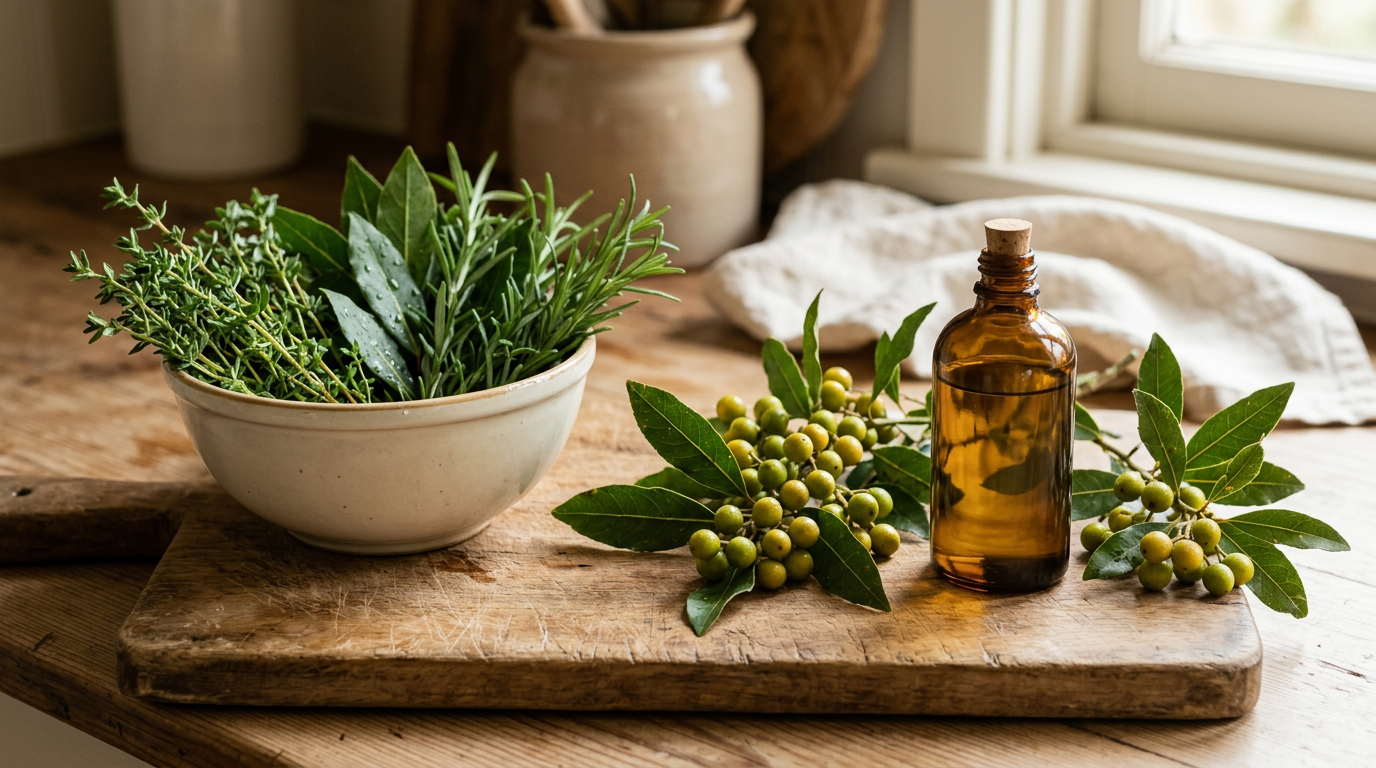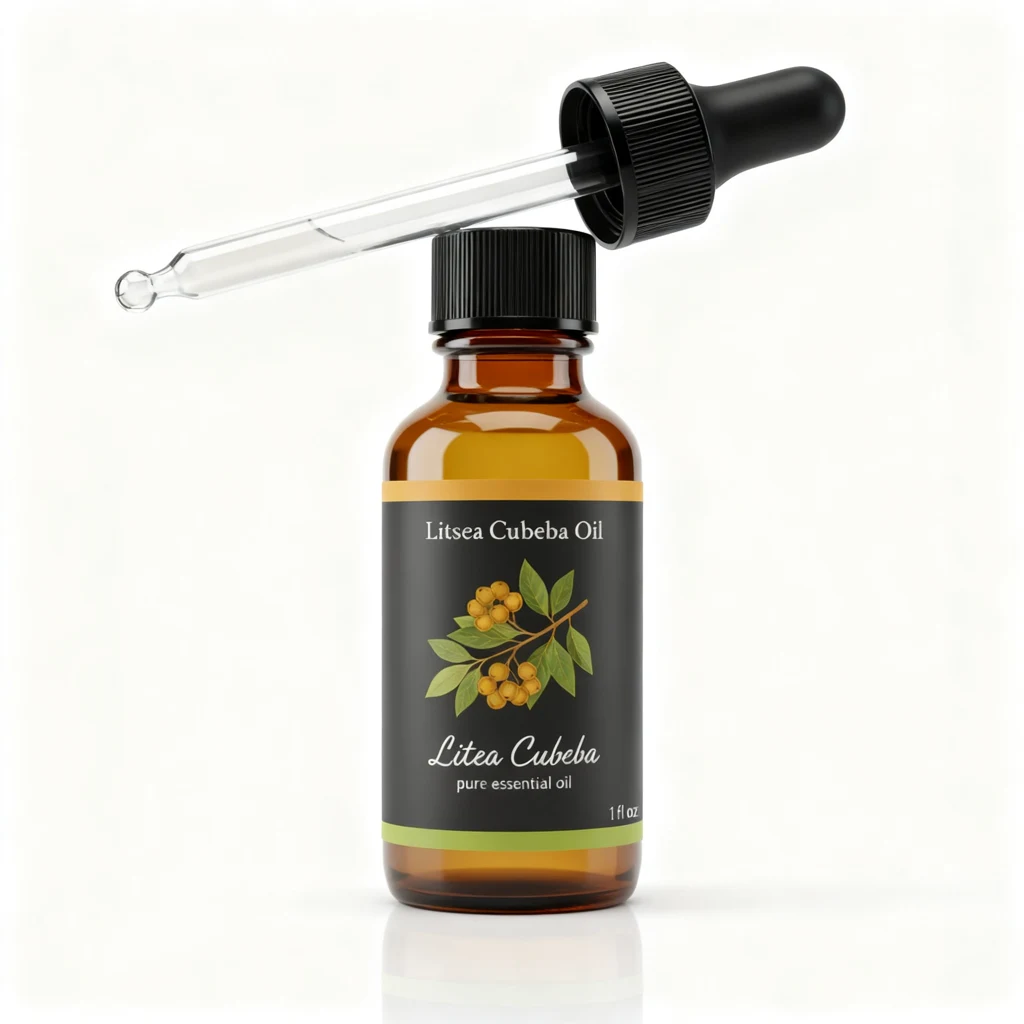
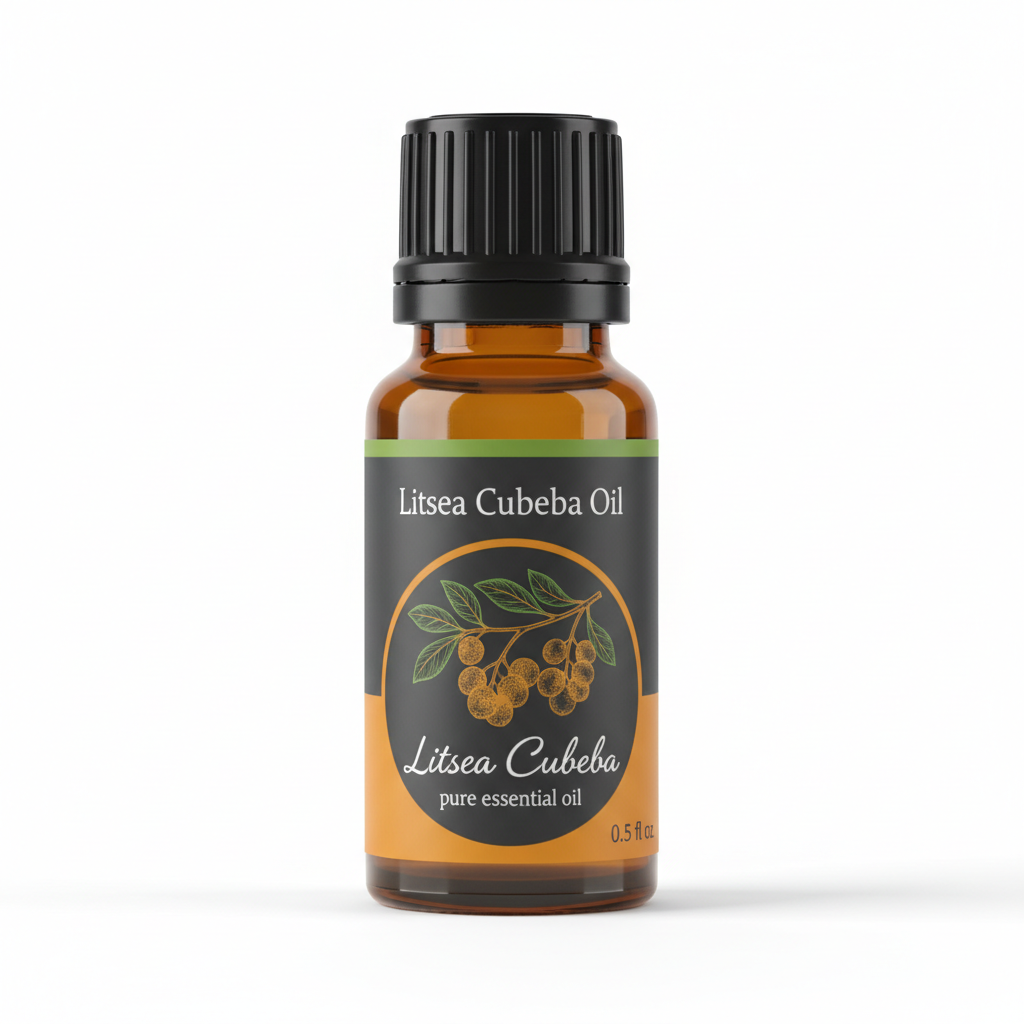
Litsea Cubeba Essential Oil bottle

Citrus Beyond Citrus

Litsea Cubeba Oil

Vivid, sweet lemon citral from litsea cubeba pushes past the opening and keeps citrus accords loud long after expressed peel fades.

Litsea cubeba, called may chang in its native China, is the citrus oil that never grew on a citrus tree. Steam-distilled from the small pepper-like fruits of Litsea cubeba, it pours out an intense, lemon-drop brightness that outlasts nearly every true citrus in a blend.

From $10.87 for 0.5 oz · sizes up to 400 lbs

Shop Litsea Cubeba Oil
For Soap Makers And Fragrance Houses

Stock Litsea Cubeba In Production Volume

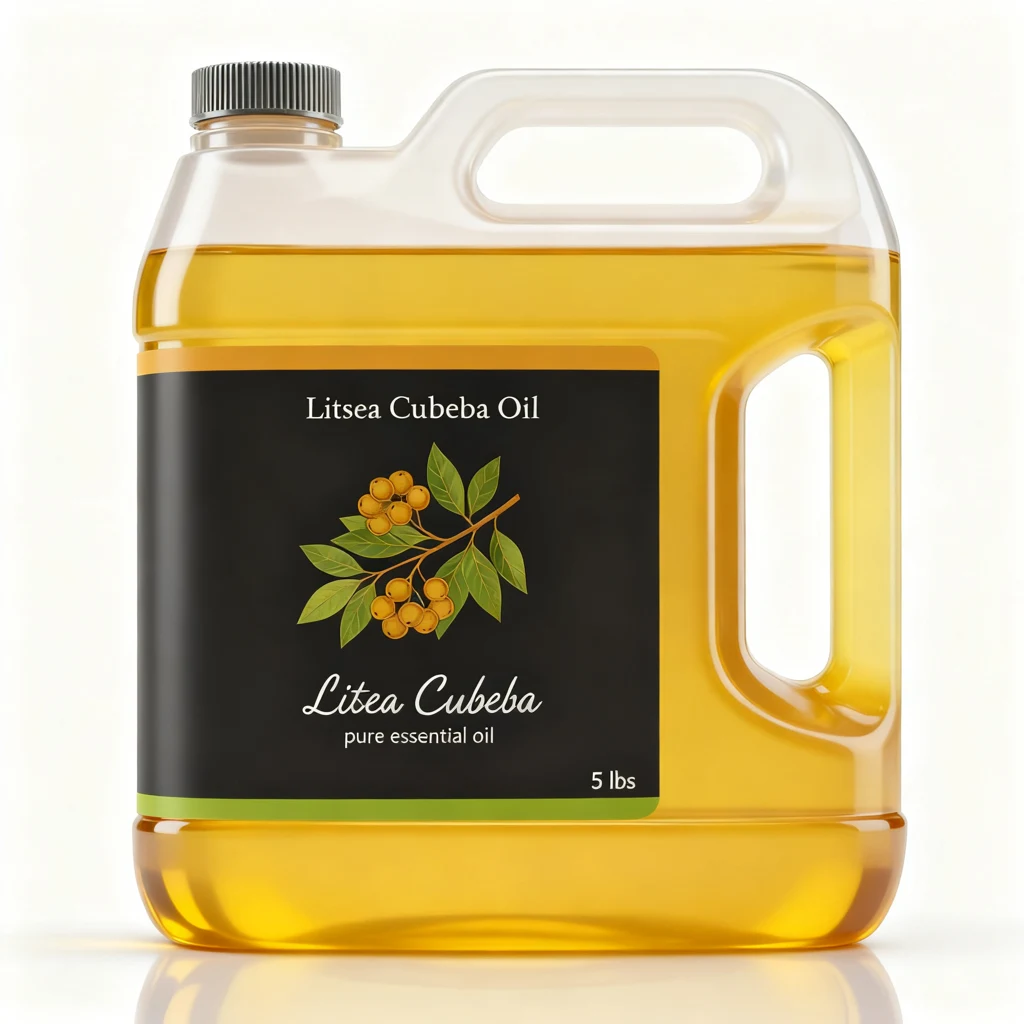
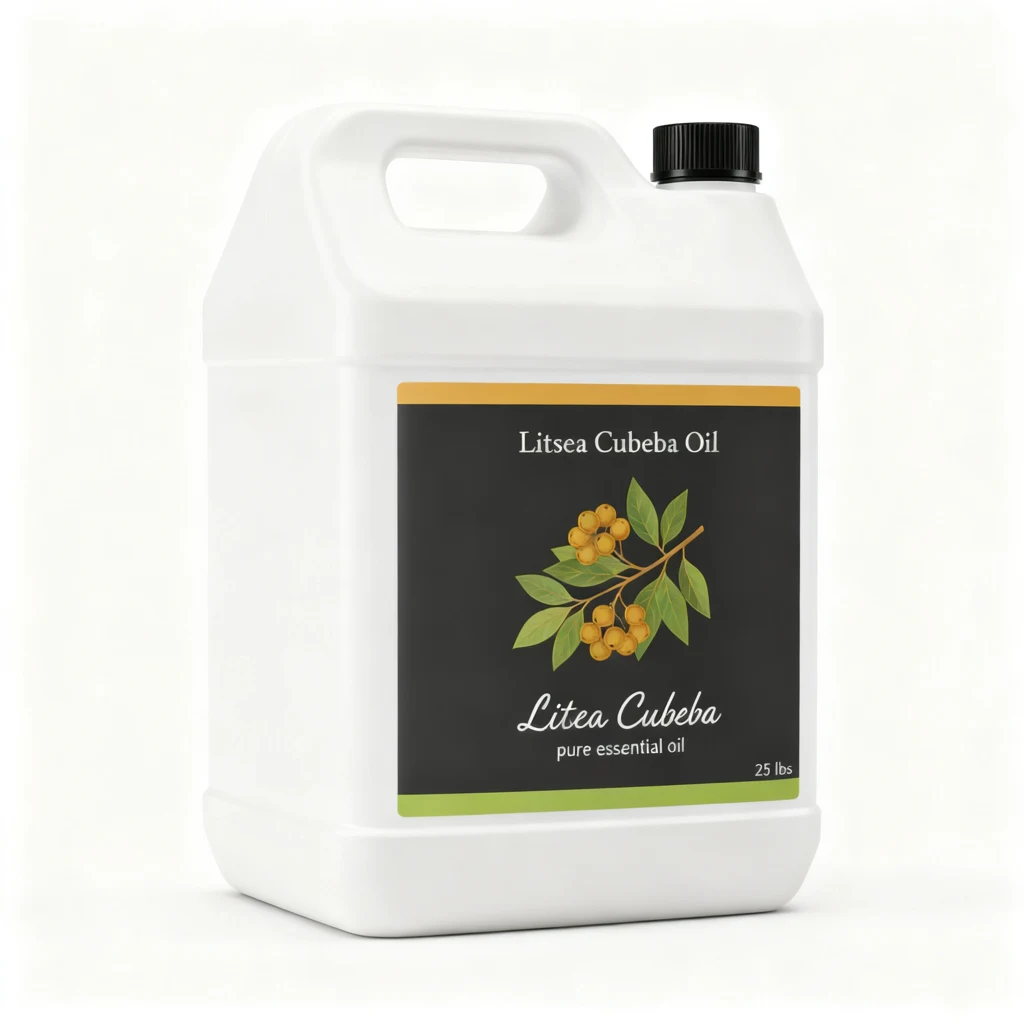
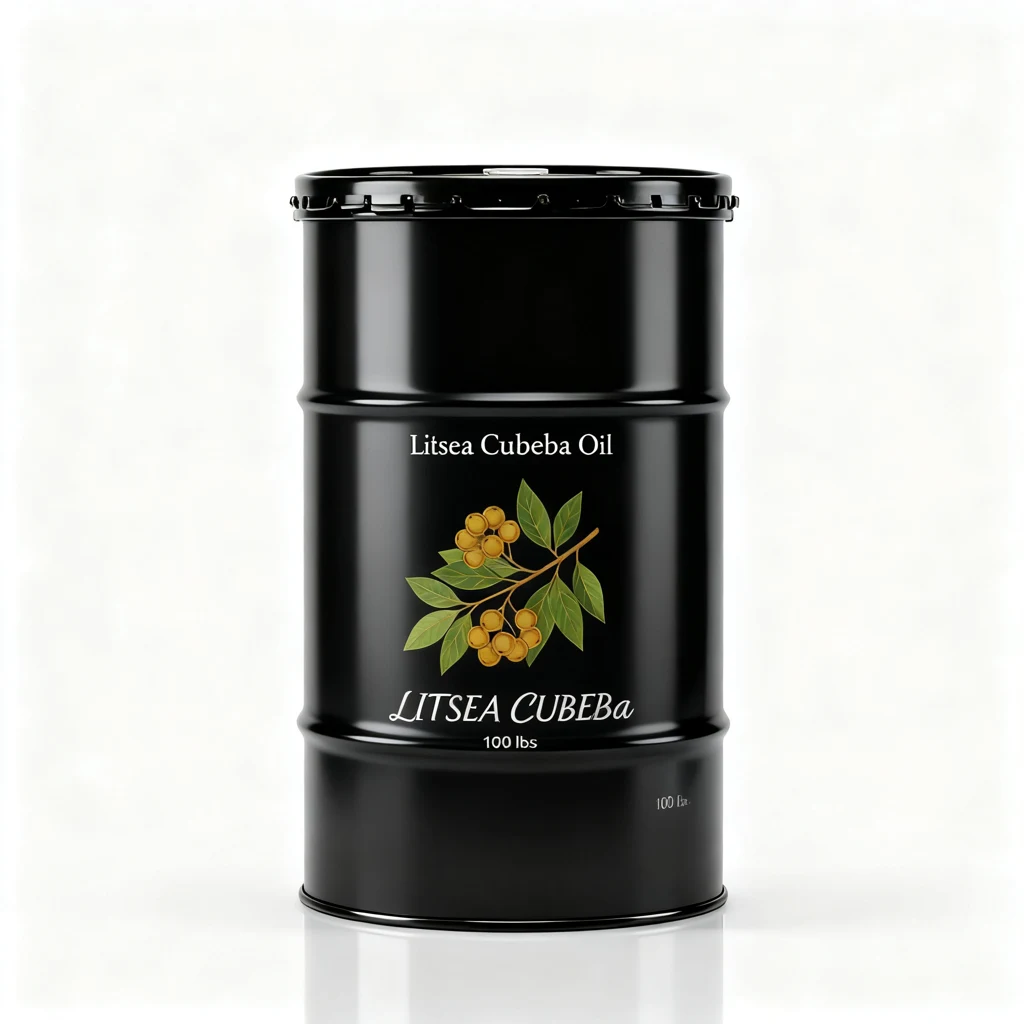
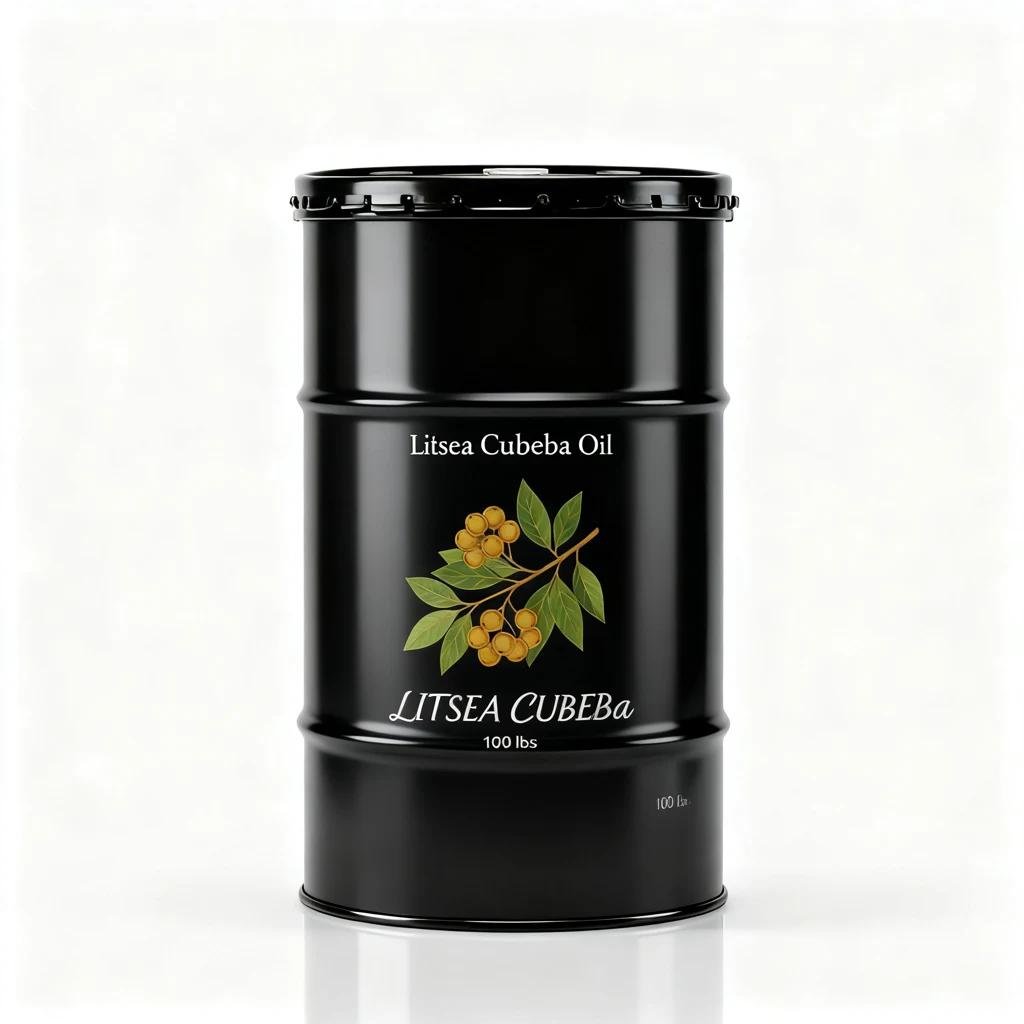
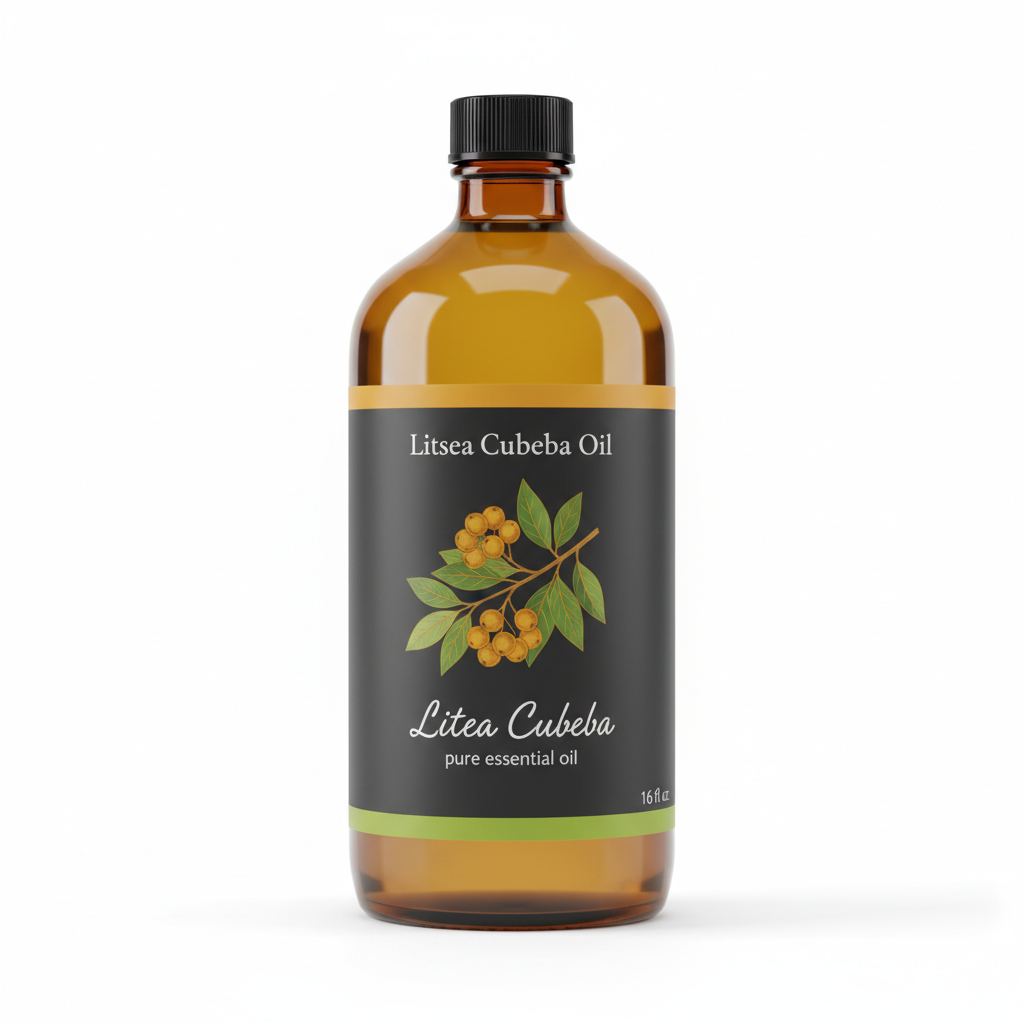
Production buyers can stock litsea cubeba oil in 5 lbs, 25 lbs, 100 lbs, and 400 lbs sizes, all covered under one published COA.

See Bulk Pricing →
Small-batch distillation
🌳 Litsea cubeba from China
📄 Lab-verified purity (COA)
🔒 Secure Shopify checkout

What This Litsea Cubeba Delivers

Pick Your Citrus Project

Diffuser Blends

Build a morning diffuser blend around litsea cubeba's sweet lemon lift, then round it out with rosemary or geranium.

Explore →

Soap & Candle Work

This citral-rich oil holds its lemon note through saponification and gives poured candles a throw that keeps going.

Explore →

Perfumery & Top Notes

Use it as a vivid opening note in a perfume pyramid, where its citral brightness carries longer than expressed lemon peel.

Explore →

Bulk & Wholesale

Soap houses, candle studios, and formulators buy litsea cubeba by the pound once a bench sample proves the blend.

Explore →

Lemon-Bright at Every Scale

🔒 Secure Checkout
📦 Fast Shipping
📄 Lab-Verified Purity (COA)
🌿 Cruelty-Free

About Litsea Cubeba Oil

Litsea cubeba essential oil is steam-distilled from the ripe berry-like fruits of Litsea cubeba, a small tree of the laurel family grown across southern China, Taiwan, and Southeast Asia. Its exceptional natural citral content makes it a workhorse of the world fragrance trade.

The scent is vivid sweet lemon with a fruity, slightly floral roundness, bolder and longer-lasting than expressed lemon peel. It energizes blends of ginger, rosemary, geranium, and vetiver, and it is a favorite trick for keeping citrus accords alive past the first hour.

May chang brightens morning diffuser sessions, scents kitchen and bathroom cleaning sprays, gives handmade soap a durable lemon note that survives saponification, and freshens gym bags and shoe closets via a few drops on a cotton pad.

Berry To Bottled Batch

Harvest

Ripe, berry-like Litsea cubeba fruit is gathered by hand once the crop reaches full ripeness.

Sorting

Fruit is cleaned and sorted to remove leaves, stems, and damaged berries before it reaches the still.

Distillation

The sorted fruit is steam-distilled to draw out its citral-rich, lemon-bright oil from the plant material.

Lab Testing

Every batch is lab-tested and the results are published as a certificate of analysis on this site.

Bottling

The finished oil is bottled and stored away from heat and light to protect its citral content.

Citral You Can Confirm

Litsea cubeba's value comes from its high citral content, the aromatic compound responsible for its vivid lemon character, so a buyer has a real, measurable reason to expect a specific scent profile rather than a vague citrus impression.

This batch's certificate of analysis is published on this site, so soap makers, candle studios, and perfumers can review it before ordering rather than relying on our description alone.

Litsea Cubeba Oil vs. Synthetic Lemon Fragrance

Distilled Litsea CubebaSynthetic Lemon Fragrance
SourceSteam-distilled from Litsea cubeba fruitCompounded in a lab from synthetic aroma chemicals
AromaIntense, sweet, lemon-bright with a fruity edgeFlat, one-note lemon scent
CompositionNaturally high in citral from the fruit itselfBlended citral analogs and fillers
DocumentationBatch COA published on this siteNo batch testing or documentation offered
Best forSoap, candles, diffusing, and perfumeryOnly mass-market air fresheners

A Single Fruit, One Origin

China

The single origin region this fruit is currently sourced from

1 species

Every bottle comes from the Litsea cubeba tree alone

Distilled

Steam distillation is the only process used to draw out this oil

Fruit

The ripe berry-like fruit is the part that goes into the still

Before You Order Litsea Cubeba

These guides cover diffuser blending, product formulation, and the exact scent profile before you commit to a size.

Complete GuidesHow To GuidesDiy RecipesBuying GuidesComparisonsTop PicksSeasonalScience ResearchFAQ

Browse all articles →

Production Volume For Litsea Cubeba

Soap houses, candle studios, and independent perfumers reach for litsea cubeba by the pound because its citral-rich lemon note holds up through saponification, survives a hot pour, and stays vivid as a top note in a fragrance pyramid. Every bulk size ships under the same published batch documentation as our smallest bottle, so a five-pound order carries the same verifiable purity as a half-ounce sample.

🔒 Secure Checkout
📦 Fast Shipping
📄 Lab-Verified Purity (COA)
🌿 Cruelty-Free

May Chang Blending Questions

Why does litsea cubeba smell different from a fresh-cut lemon?
Litsea cubeba's high citral content gives it a rounder, more fruity-floral sweetness than expressed lemon peel, which leans sharp and thin. That extra body is also why the scent holds up longer in a blend instead of fading within the first hour.
Does litsea cubeba hold its lemon scent in cold process soap?
Yes. Its citral-driven aroma is more resistant to saponification than many lighter citrus oils, so soap cured with litsea cubeba keeps a noticeably brighter lemon note than batches scented with expressed citrus peels alone.
How does litsea cubeba perform in a diffuser versus a candle?
In a diffuser the top notes read bright and citrusy within minutes, while in a candle the citral base gives the scent more staying power through a full burn, producing a steadier lemon throw than lighter citrus oils typically manage.
Why does litsea cubeba cost less than true lemon or verbena oils?
Litsea cubeba fruit yields oil efficiently through simple steam distillation and the tree grows widely across southern China, keeping supply steady and pricing more accessible than oils distilled from rarer citrus peels or flowers.
These statements have not been evaluated by the FDA. Products are not intended to diagnose, treat, cure, or prevent any disease.